
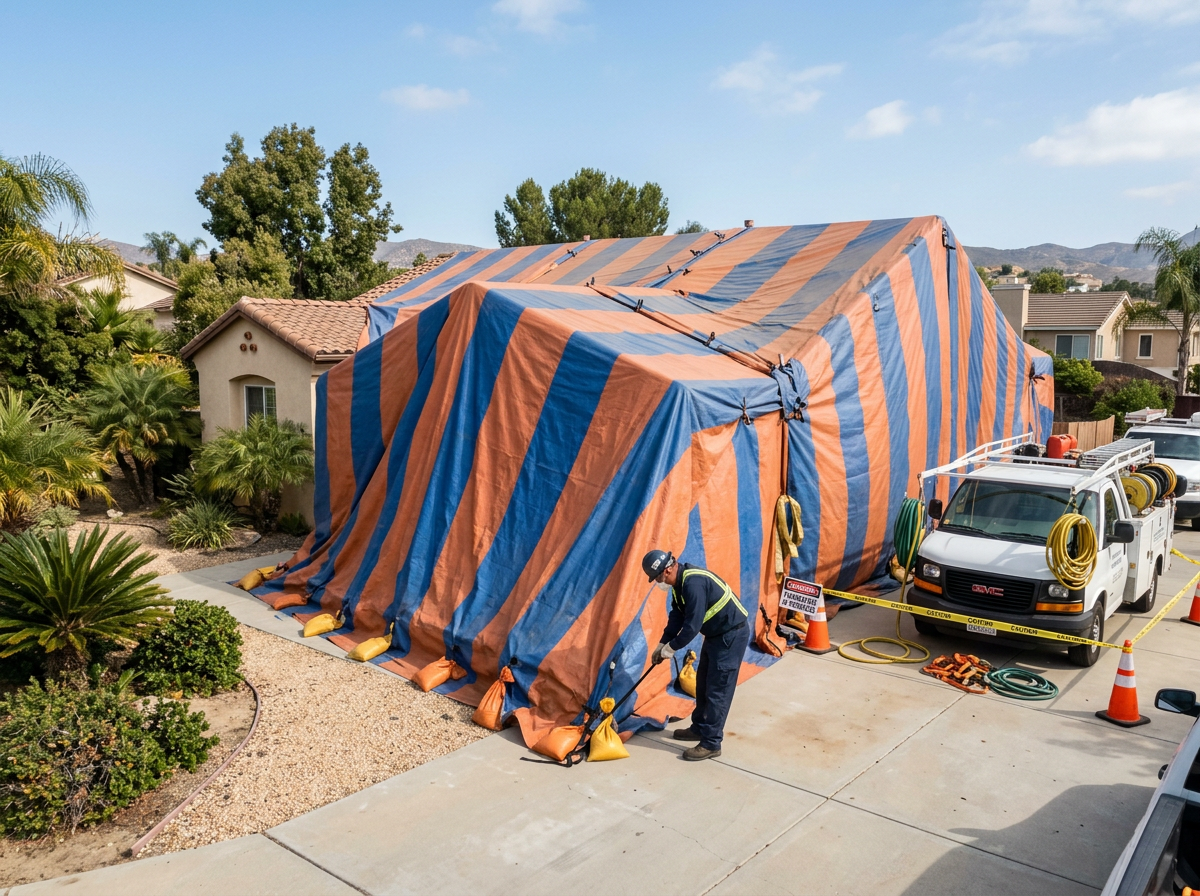
Groveland serves as the main gateway to Yosemite National Park on CA-120, where foothill Mediterranean summers and creek-side moisture create ideal conditions for subterranean termite colonies in crawl-space homes.
Tuolumne County properties here often include older timber construction with wood stacked against foundations and seasonal occupancy that leaves structures vulnerable during active foraging periods.
Technicians based at 428 N Curry St in Tehachapi reach Groveland via established routes to handle inspections and treatments suited to this Sierra Foothills environment.
Termite Treatment Services in Groveland, CA
Termite Treatment in Groveland
Termite treatment in California begins with accurate species identification because drywood and subterranean termites re…
Details →Drywood Termite Control in Groveland
Targeted drywood termite control that identifies frass and kick-out holes then applies localized treatments suited to Ca…
Details →Subterranean Termite Control in Groveland
Soil-applied barriers and monitored baiting for subterranean termites that build mud tubes on foundations in inland Cali…
Details →Termite Fumigation and Tenting in Groveland
Whole-structure fumigation and tenting for drywood termite infestations that exceed localized treatment options.…
Details →Termite Control in Groveland
Termite control across California starts with species identification that determines whether spot treatments, soil barri…
Details →Termite Inspection in Groveland
Detailed termite inspection across Tehachapi and California that locates drywood and subterranean activity in crawl spac…
Details →Escrow and Section 1 Termite Reports in Groveland
Detailed WDO inspections and Section 1 reports that support escrow timelines across Tehachapi and surrounding California…
Details →Around Groveland
We regularly work near:
- 📍Groveland Yosemite Gateway Museum
- 📍CA-120 corridor
- 📍Groveland community access points to Yosemite National Park
Termite Treatment in Groveland — Local Notes
- •Crawl spaces built directly on dirt in many cabins allow easy subterranean termite access from soil to framing.
- •Hot summers concentrate activity near irrigation lines and any shaded foundation areas common along the highway corridor.
- •Redwood and old-growth timber in local builds combined with stacked firewood creates repeated entry points for colonies.
- •Seasonal homes near creeks experience elevated moisture that draws foraging tubes up from the ground.