Termite Treatment Across California
Right Termite Treatment Starts With Knowing Which Species You're Facing
Our technicians inspect for drywood or subterranean activity first, then deliver the targeted approach—local spot treatment, tenting, or soil barrier—on homes and cabins statewide.
Termite Treatment Services Across California
Termite Treatment
Termite treatment in California begins with accurate species identification because drywood and subterranean termites require oppo…
Scope depends on structure size, s
Drywood Termite Control
Targeted drywood termite control that identifies frass and kick-out holes then applies localized treatments suited to California w…
Scope and pricing are set only aft
Subterranean Termite Control
Soil-applied barriers and monitored baiting for subterranean termites that build mud tubes on foundations in inland California val…
Scope depends on foundation length
Termite Fumigation and Tenting
Whole-structure fumigation and tenting for drywood termite infestations that exceed localized treatment options.
Scope depends on square footage, n
Termite Control
Termite control across California starts with species identification that determines whether spot treatments, soil barriers, or ba…
Scope depends on structure size, s
Termite Inspection
Detailed termite inspection across Tehachapi and California that locates drywood and subterranean activity in crawl spaces, attics…
Cost depends on property size, acc
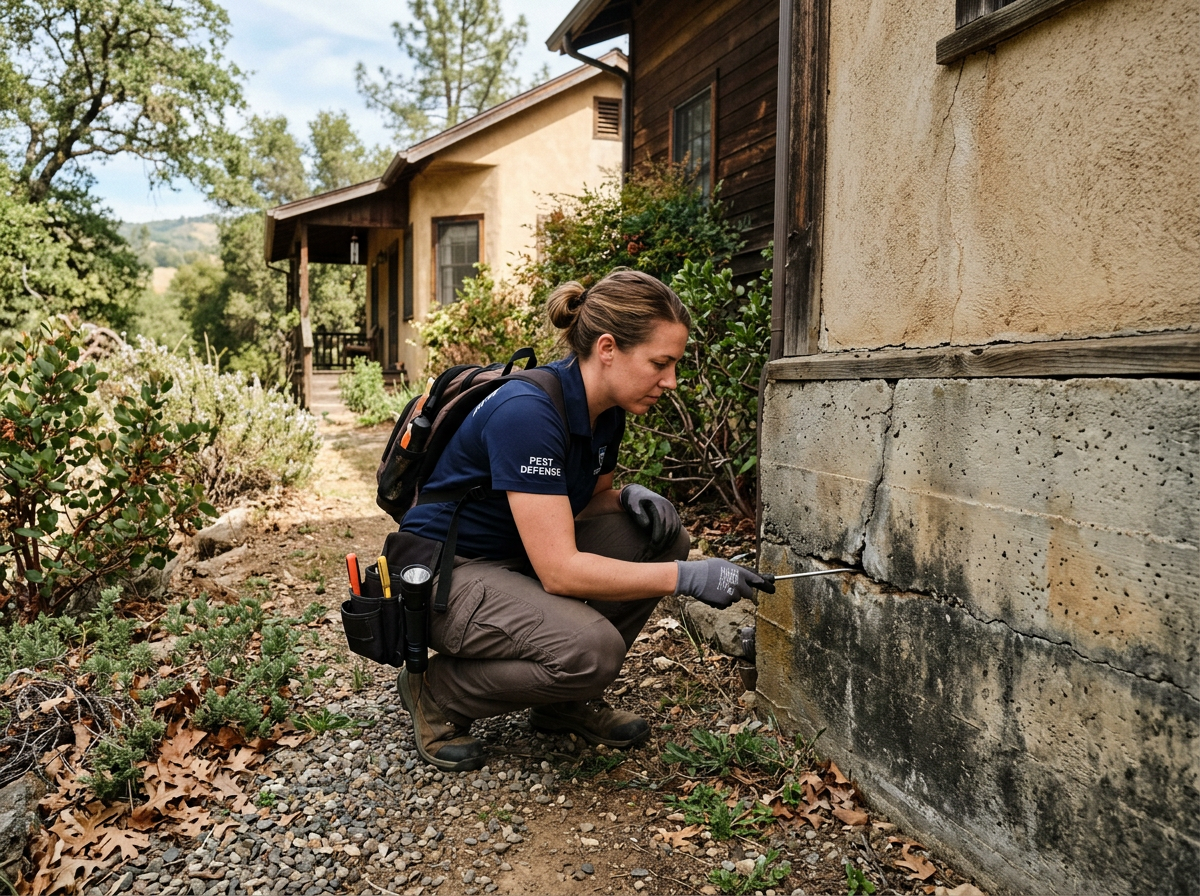
Statewide Termite Treatment
Termite Control Built Around Species and Setting
Our process begins with a thorough inspection that identifies the termite species present and maps the full extent of activity. We look for frass pellets to confirm drywood termites common along the coast and in southern regions, or mud tubes that signal subterranean termites in inland valleys and foothills. Once the species and activity zones are clear, our technicians apply the treatment that matches those findings, whether spot treatment and local fumigation for drywood colonies or liquid soil barriers and baiting for subterranean nests.
Coverage reaches from Sea Ranch coastal cabins with their seasonal use and exposed timber to Kern County farmhouses set on dirt crawl spaces with old-growth framing. The same crew handles Sierra foothills and gold country properties, eastern Sierra and Mono basin sites, high desert homes, Central Valley and Kern farm towns, north coast structures, and San Diego backcountry locations. Each setting demands different access methods and product choices because moisture levels, wood exposure, and occupancy patterns vary widely across the state.
- Species-specific identification before any treatment begins
- Region-appropriate methods for coastal, foothill, valley, and desert properties
- Clear mapping of activity so only affected areas receive product
- Follow-up verification to confirm results on every job
Termite Treatment Across California
CA Termite Pros provides termite treatment statewide from the base at 428 N Curry St, Tehachapi, CA 93561, with methods chosen for each property type and pest species.
-
Species Identification First
Drywood termites and subterranean termites receive different treatments after frass or mud tubes confirm which species is active.
-
Method Matched to Structure
Foothill cabins on dirt crawl spaces with old-growth timber receive treatments selected for that construction rather than a single default approach.
-
Section 1 Report Work
Termite inspections are performed to support California escrow transactions that require a Section 1 report.
-
Statewide Service Reach
Treatment crews operate across California with attention to regional building styles and termite pressures.
-
Evidence-Based Diagnostics
Visible signs such as frass piles or mud tubes are documented before any treatment plan is presented.
-
Workmanship You Can Inspect
Completed treatments use accessible methods so property owners can verify the work directly.
7
Specialist services
59+
Cities covered
Free
Estimates & advice
What to expect, start to finish
Inspection And Species Identification
Technicians conduct a detailed property inspection statewide to distinguish drywood termites from subterranean ones by examining frass pellets, mud tubes, and activity in crawl spaces or old-growth timber.
Scope And Method Selection
Findings guide whether localized spot treatment addresses the issue or whole-structure fumigation becomes necessary based on infestation extent and termite type.
Treatment
Selected methods are applied, such as liquid soil barriers or bait stations for subterranean termites and tenting for drywood cases when required across California properties.
Verification And Documentation
Post-treatment checks confirm results and supply documentation for escrow needs including Section 1 reports.
Cities we serve
Termite Treatment Across California — Cities We Serve
Kern · High desert climate with warm summers and cold winters.
Termite Treatment and Pest Control Tips & Guides for California
2026-09-16
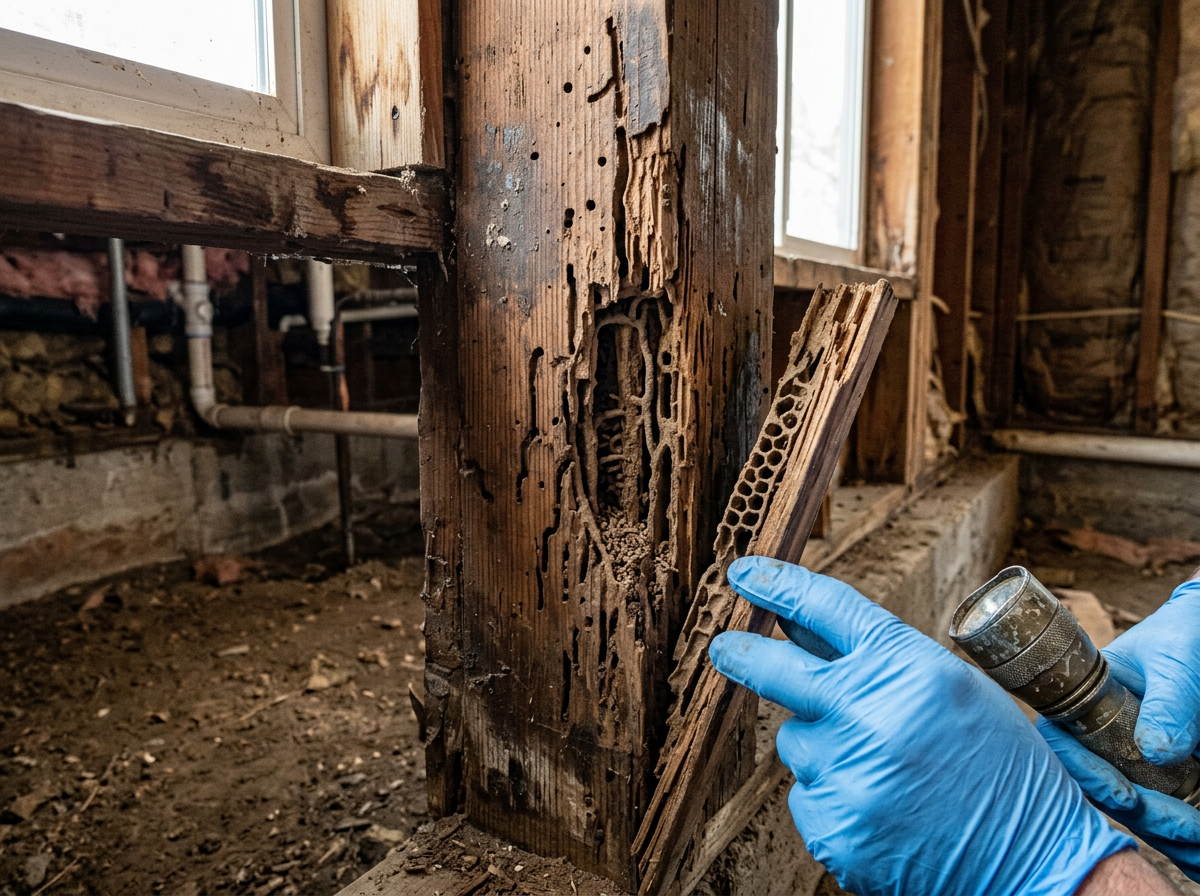
How to Identify Termite Damage in Tehachapi Homes
Tehachapi homeowners can spot drywood termite damage through small frass pellets and hollow-sounding wood, while subterranean activity shows…
2026-09-16
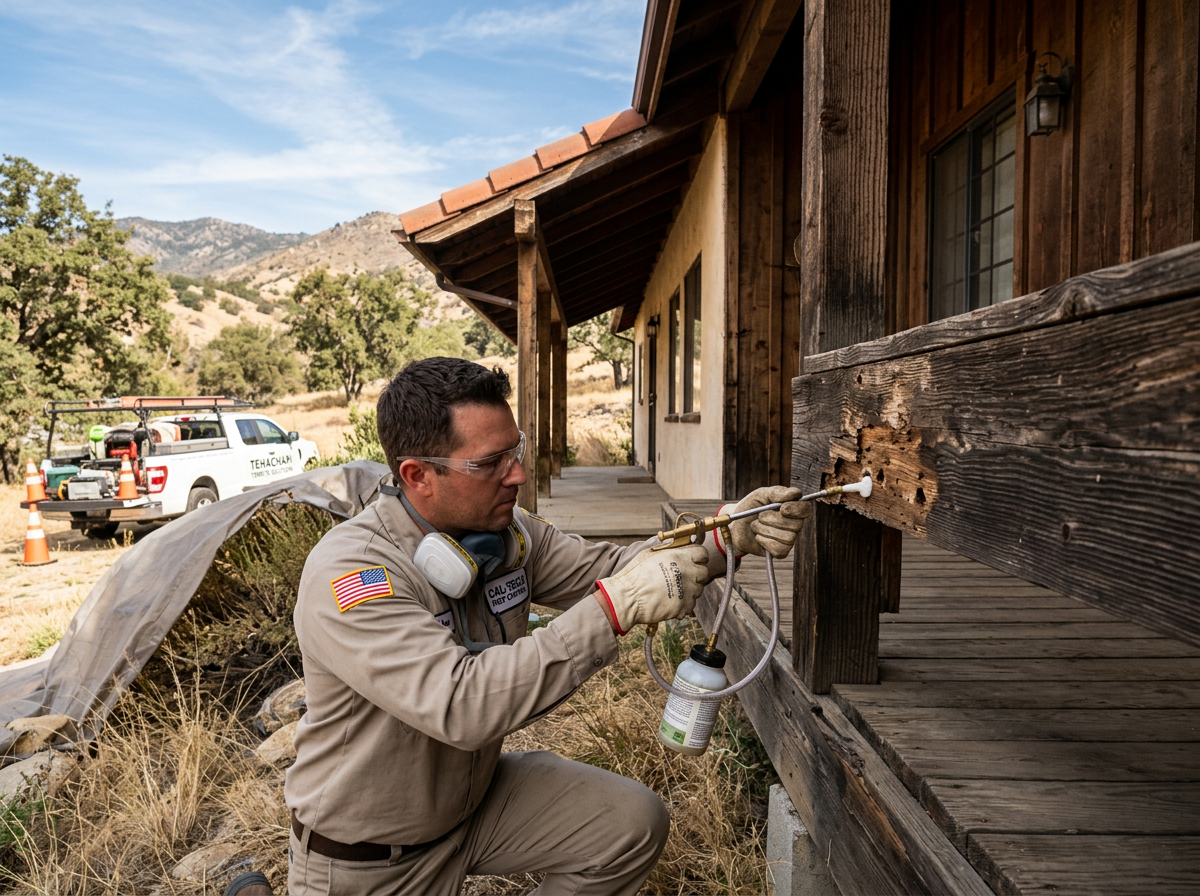
Termite Treatment Options for Tehachapi's Dry Climate
Tehachapi's arid conditions favor drywood termites, which require different approaches than subterranean species. Local treatment choices in…
2026-09-16
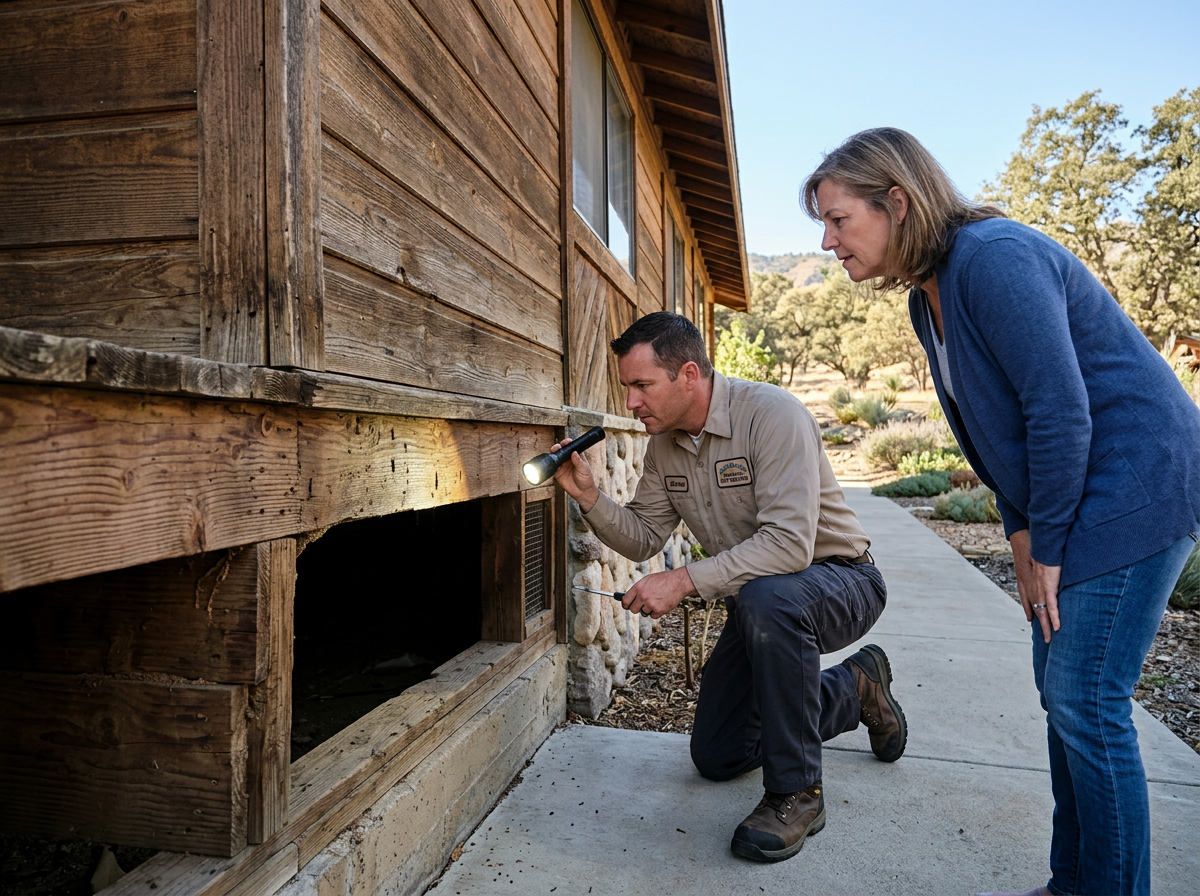
What Tehachapi Homeowners Should Expect During a Termite Inspection
A termite inspection in Tehachapi usually lasts 45 to 90 minutes and focuses on accessible wood, crawl spaces, and moisture sources common t…
Good to know
Termite Treatment FAQs — California
Still have questions? We're happy to talk it through.
(661) 430-7677